Polycystic Ovary Syndrome (PCOS) affects 6–13% of women of reproductive age, yet nearly 70% remain undiagnosed. As a hormonal and lifestyle disorder, PCOS can disrupt energy levels, mood, menstrual cycles, weight, and fertility. While medications can help, they often don't address underlying imbalances — that's where yoga for PCOS comes in.
6–13%
of women affected by PCOS
70%
remain undiagnosed
70%
of PCOS cases involve insulin resistance
What is PCOS & How Yoga Helps
PCOS is a hormonal disorder affecting ovarian function, metabolic health, and fertility. Root causes include insulin resistance, excess androgens, genetic predisposition, and lifestyle factors like chronic stress, poor sleep, and inflammatory diets.
Reproductive
- Irregular or missed periods
- Fertility issues
- Ovarian cysts
Metabolic
- Weight gain (especially belly)
- Insulin resistance
- Risk of type 2 diabetes
Physical
- Acne and oily skin
- Excessive hair fall
- Excess facial/body hair
Emotional
- Anxiety, depression, mood swings
- Low self-esteem
- Poor sleep quality
⚖️
Hormonal Regulation
- Lowers cortisol & improves insulin sensitivity
- Balances estrogen & progesterone
🩸
Physical Benefits
- Boosts pelvic & abdominal circulation
- Aids digestion & reduces bloating
🧘♀️
Mental Relief
- Reduces anxiety through breathwork
- Promotes emotional calm & body awareness
10 Best Yoga Poses for PCOS Relief
These asanas target hormonal imbalance, fertility challenges, and stress — the three key contributors to PCOS. Each pose is beginner-friendly and modifiable.
These poses support hormonal regulation by stimulating the endocrine glands, improving circulation, and calming the nervous system.
Butterfly Pose
Baddha Konasana
Stimulates ovaries · improves pelvic circulation · supports menstrual health
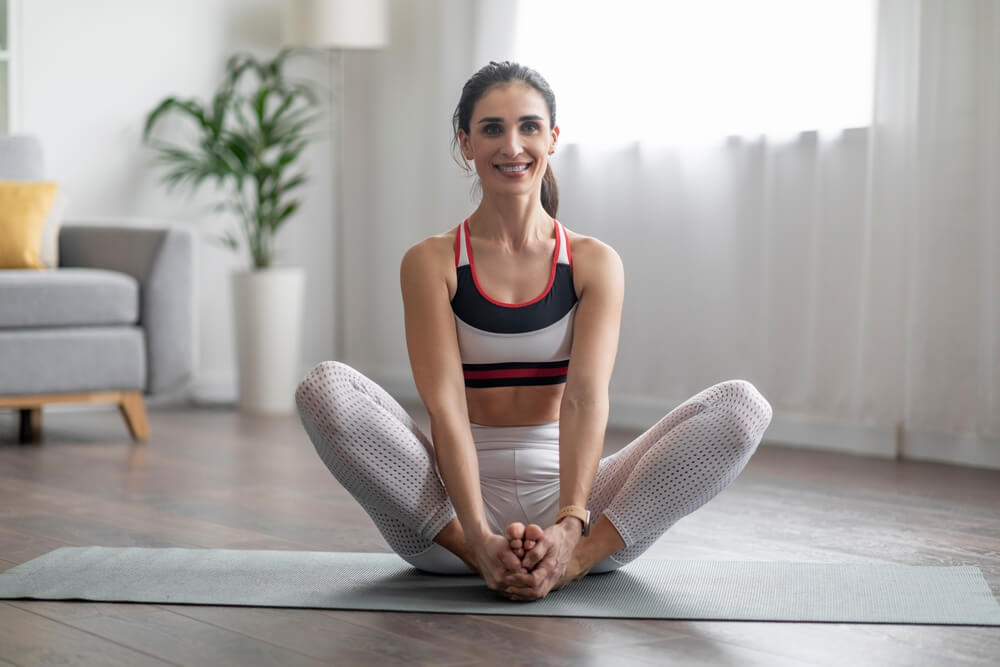
- 1.Sit with your spine tall and legs extended forward.
- 2.Bring the soles of your feet together, allowing knees to drop out to the sides.
- 3.Hold your feet and bring them closer toward the pelvis.
- 4.Lengthen the spine and, if comfortable, fold forward from the hips with a flat back.
- 5.Hold for 1–3 minutes, then gently release.
Modifications
- Place yoga blocks or cushions under your knees for support.
- Sit against a wall to keep your spine upright if folding forward feels too intense.
Bow Pose
Dhanurasana
Energizes endocrine glands · supports digestion & adrenal health
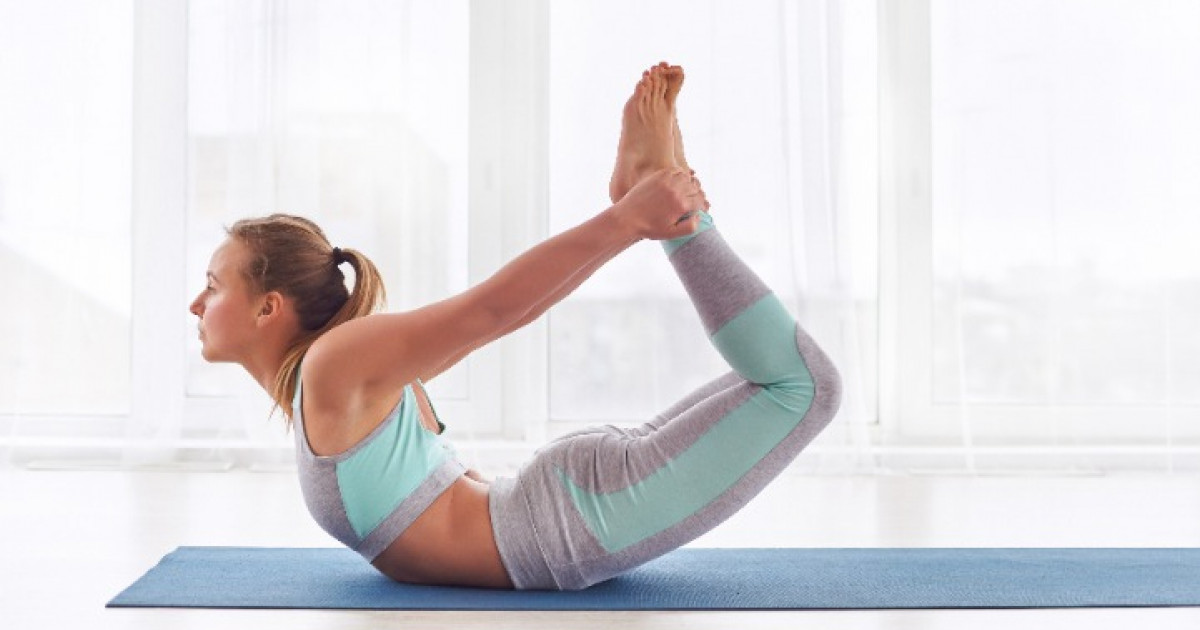
- 1.Lie on your belly with arms alongside your body.
- 2.Bend your knees and reach your hands back to grasp your ankles.
- 3.On an inhale, lift your chest and legs off the ground, drawing shoulder blades together.
- 4.Gaze forward, keeping your breath steady.
- 5.Hold for 15–30 seconds, repeating 2–3 times.
Modifications
- Use a yoga strap if you can't reach your ankles.
- Focus on lifting the chest more than the legs if you have lower back discomfort.
Garland Pose
Malasana
Stimulates pelvic organs · grounds the nervous system · improves digestion
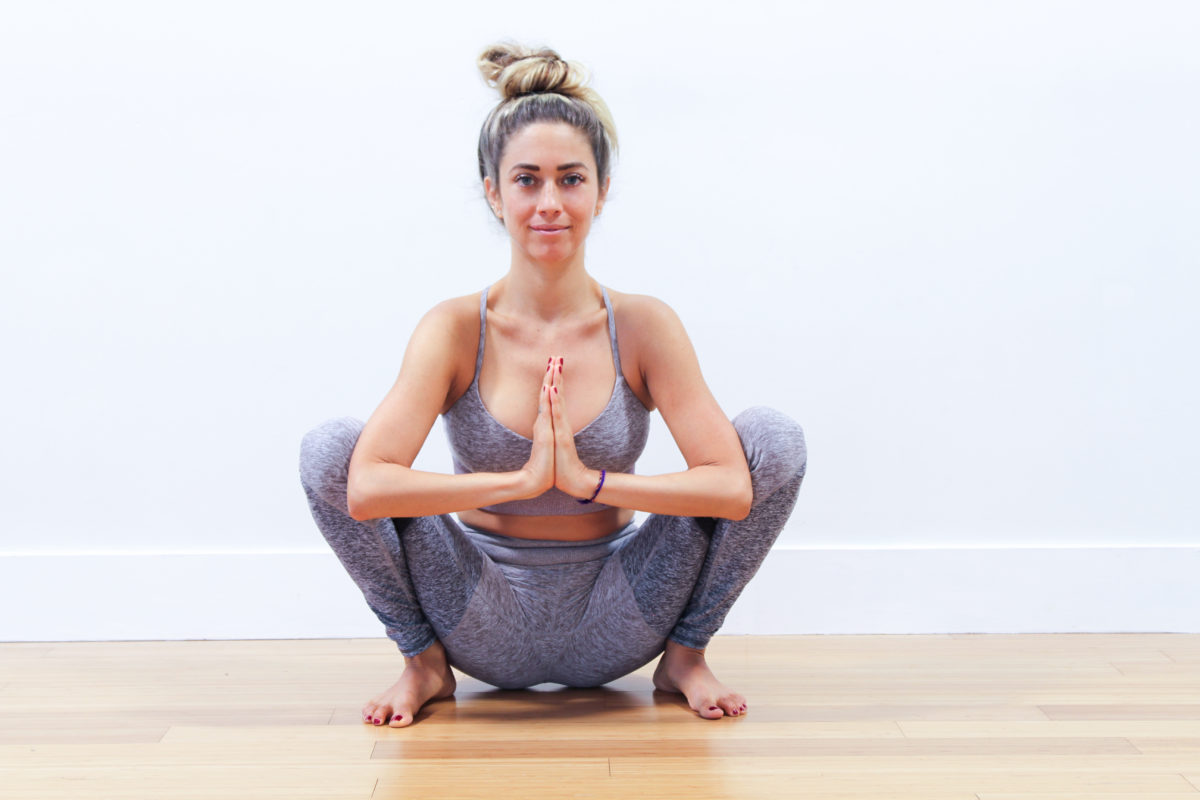
- 1.Stand with feet wider than hip-width apart, toes turned slightly out.
- 2.Bend your knees and lower into a deep squat.
- 3.Bring palms together at the heart center and press elbows into knees to open the hips.
- 4.Hold for 1–2 minutes, keeping the breath steady.
Modifications
- Sit on a yoga block for support.
- Keep heels lifted with a rolled towel under them if needed.
These asanas boost blood flow to the reproductive organs, reduce inflammation, and support ovulation and conception.
Legs Up the Wall
Viparita Karani
Boosts circulation to ovaries & uterus · calms nervous system · reduces inflammation
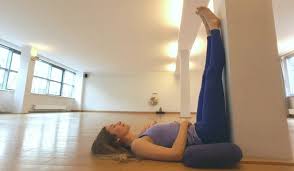
- 1.Sit sideways next to a wall, with one hip touching it.
- 2.Gently swing your legs up the wall as you lie back onto the mat.
- 3.Adjust so your buttocks are close to or slightly away from the wall.
- 4.Rest arms by your sides, palms facing up.
- 5.Hold for 3–5 minutes, focusing on long, slow belly breaths.
Modifications
- Place a bolster or folded blanket under your hips for gentle elevation.
- Cover your eyes with a cloth or use a pillow for neck support.
Supported Bridge Pose
Setu Bandhasana
Opens hips · improves pelvic circulation · soothes the nervous system
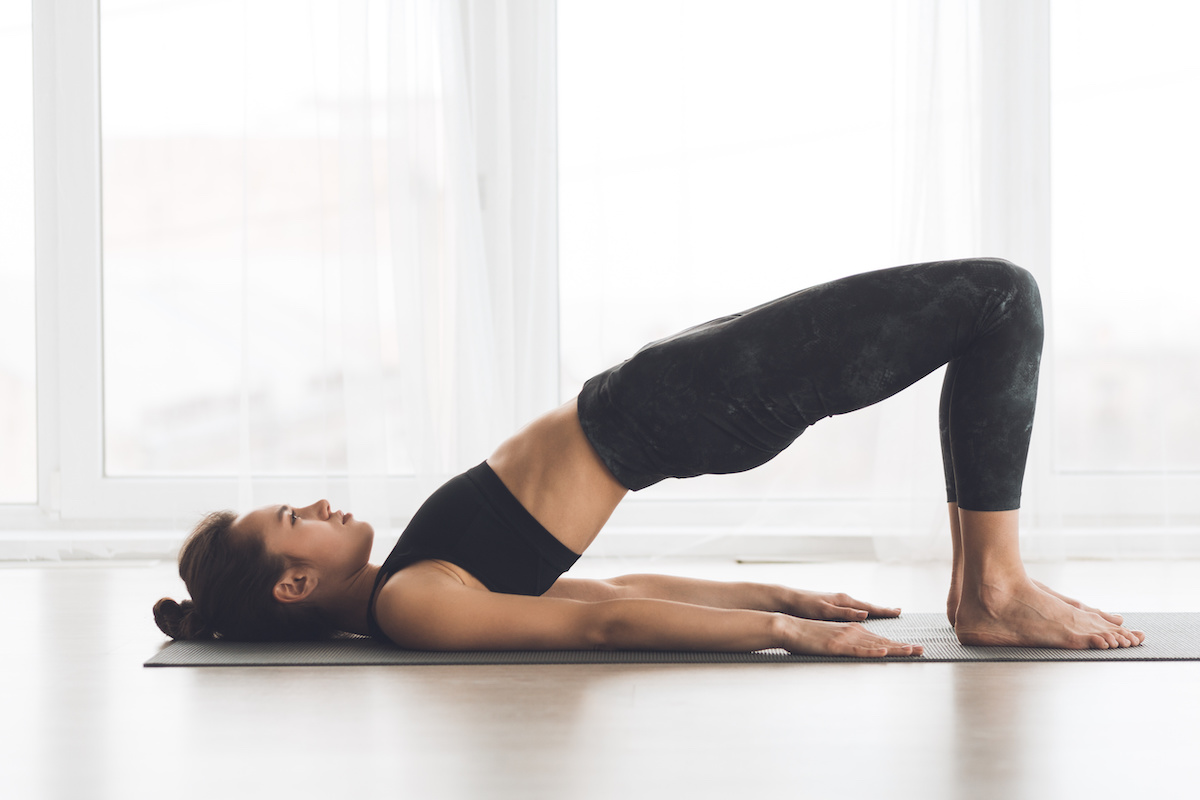
- 1.Lie on your back with knees bent, feet hip-width apart and close to your hips.
- 2.Lift your hips and slide a block, bolster, or cushion under your sacrum.
- 3.Rest your weight completely onto the support and relax.
- 4.Inhale slowly into the chest or belly; release tension on every exhale.
- 5.Hold for 2–3 minutes, then gently release.
Modifications
- For a more active version, engage the glutes and thighs to lift without support.
- Arms can be extended overhead or stay relaxed by your sides.
Locust Pose
Salabhasana
Strengthens pelvic floor · stimulates thyroid & adrenal glands · enhances metabolism
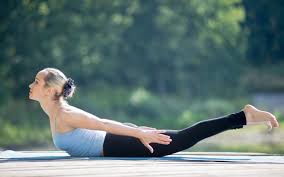
- 1.Lie flat on your stomach, legs extended, arms alongside your body with palms facing up.
- 2.On an inhale, lift your chest, arms, and legs off the ground simultaneously.
- 3.Keep the neck neutral, gaze slightly forward and down.
- 4.Squeeze shoulder blades together and engage glutes and inner thighs.
- 5.Hold for 20–30 seconds breathing deeply, then exhale to release. Repeat 3 times.
Modifications
- Keep your hands under your thighs for extra lift.
- Perform with only the upper or lower body lifted if full engagement is challenging.
These poses lower cortisol levels, enhance digestion, and activate the body's relaxation response for better hormonal and metabolic health.
Child's Pose
Balasana
Activates rest-and-digest mode · lowers cortisol · restores adrenal balance
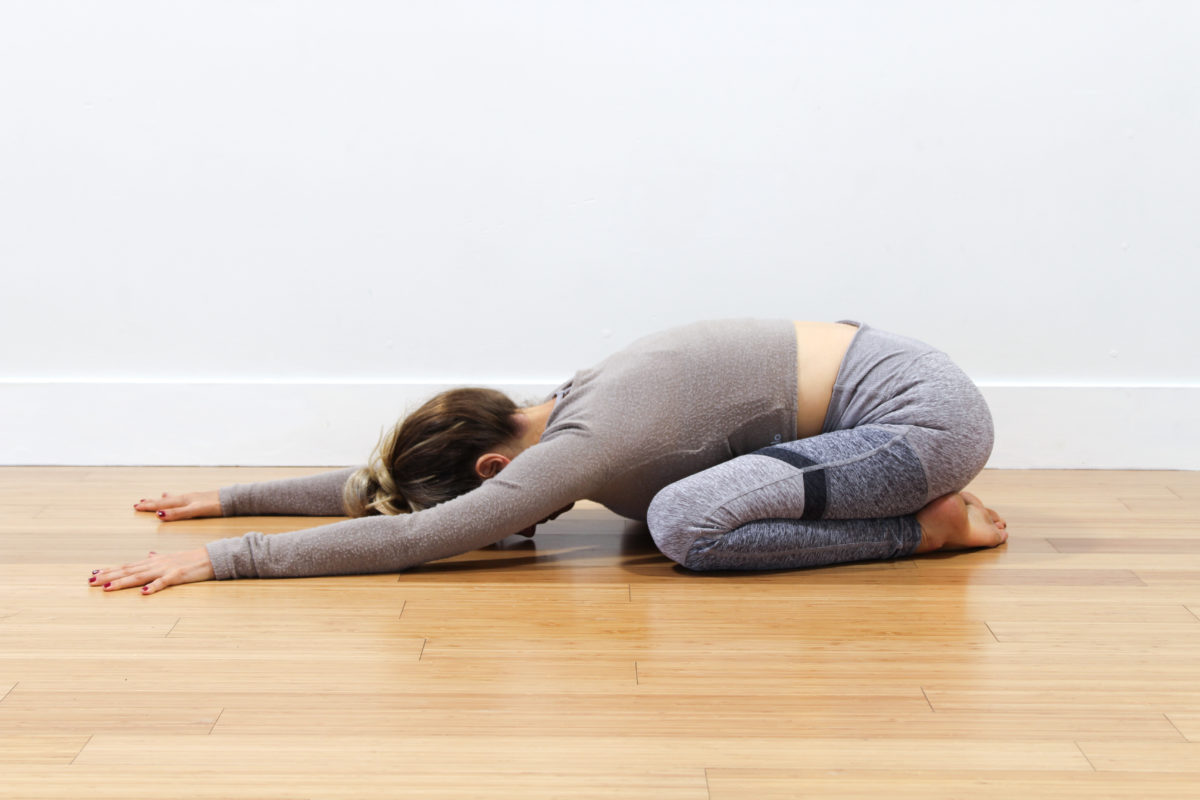
- 1.Kneel on the floor with big toes touching and knees wide apart.
- 2.Sit back on your heels and fold your torso forward, extending arms in front or by your sides.
- 3.Rest your forehead on the mat, a block, or a cushion.
- 4.Breathe into the lower belly and back ribs, releasing tension on every exhale.
- 5.Hold for 1–2 minutes, then gently release.
Modifications
- Place a bolster or pillow under your torso for added comfort.
- Keep knees closer together for more lower back support.
Seated Forward Fold
Paschimottanasana
Supports digestion · massages abdominal organs · relieves anxiety
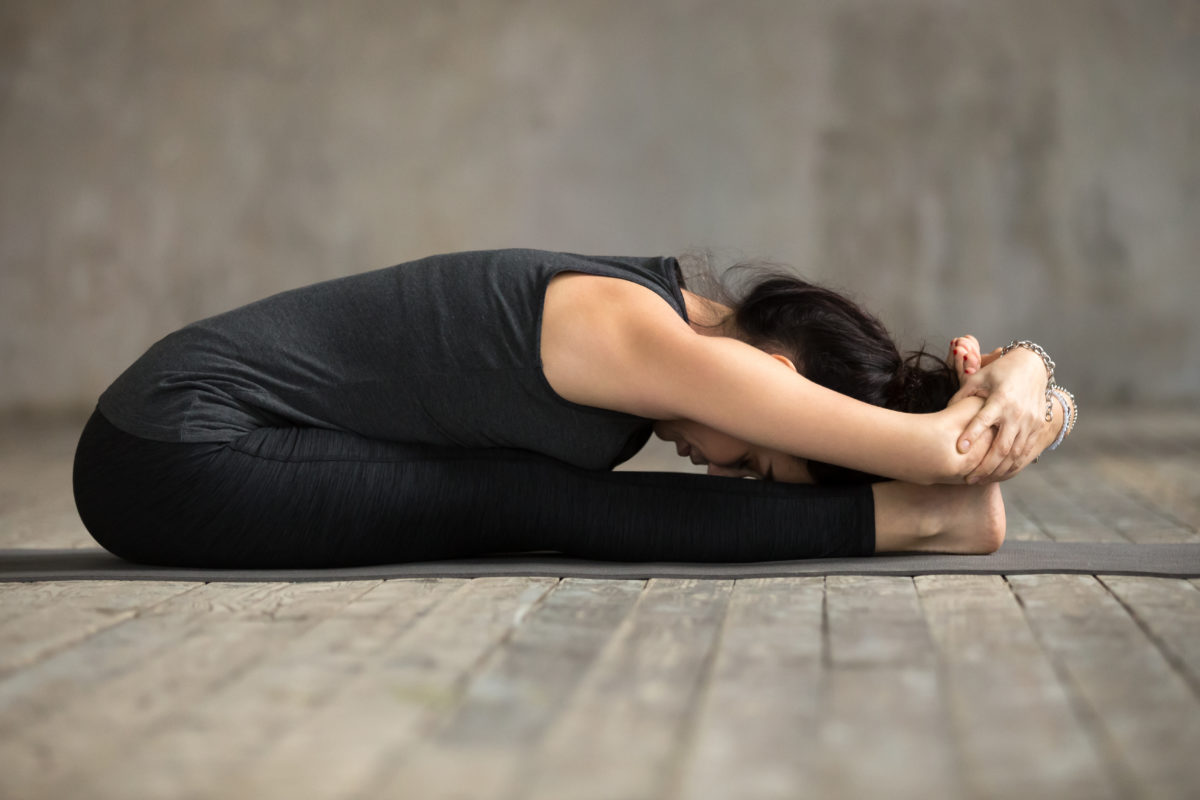
- 1.Sit with legs extended in front of you.
- 2.Inhale to lengthen the spine, exhale to fold forward from the hips.
- 3.Reach for your feet, ankles, or shins — whichever is accessible.
- 4.Hold for 1–2 minutes, then release.
Modifications
- Bend your knees slightly and place a rolled blanket under them.
- Use a strap around the feet if you can't reach.
Cat-Cow Pose
Marjaryasana-Bitilasana
Improves spinal mobility · stimulates digestion · releases lower back tension
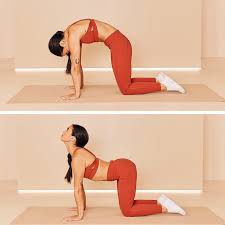
- 1.Begin in a tabletop position — hands under shoulders, knees under hips.
- 2.On an inhale, drop the belly, lift the tailbone and chest (Cow Pose).
- 3.On an exhale, round the spine, tuck the chin, and draw the belly in (Cat Pose).
- 4.Continue for 8–10 rounds, moving with your breath.
Modifications
Cobra Pose
Bhujangasana
Activates adrenal glands · supports thyroid & reproductive function · regulates metabolism
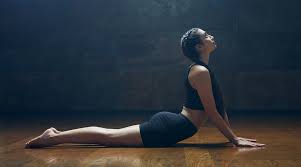
- 1.Lie flat on your stomach with legs extended, tops of feet resting on the mat.
- 2.Place palms under your shoulders, elbows tucked in.
- 3.On an inhale, press lightly into palms and lift your chest off the mat.
- 4.Keep elbows slightly bent and shoulders relaxed, away from ears.
- 5.Hold for 30–60 seconds, then gently release.
Modifications
- For a softer version, place forearms on the mat and lift just the chest.
- Engage the lower abs to protect the lower back.
Specialized Yoga Approaches for PCOS
🌸 Fertility Yoga for PCOS
- Targeted poses: Butterfly, Legs Up the Wall, Bow Pose stimulate endocrine glands
- Breathwork: Nadi Shodhana (alternate nostril) lowers cortisol for a more fertile environment
- Visualization: Guided meditations focused on reproductive energy
- Cycle syncing: Tailor practice to your menstrual phase for best results
🔄 Yoga for Irregular Periods
- Daily hormone-balancing: 15–20 min morning + 10 min restorative evening practice
- Abdominal massage: Yoga-based techniques to improve blood flow to uterus
- Breathing: Bhramari (bee breath) and Ujjayi to ease cortisol spikes
- HPO axis support: Consistent yoga re-aligns the hormonal feedback loop governing your cycle
Daily Routines & Cycle-Specific Adjustments
☀️ Morning Flow (15–20 min)
🌙 Evening Relaxation (10–15 min)
Menstrual
Restorative poses & deep breathing — no inversions
Follicular
Core work & uplifting flows
Ovulation
Heart openers & hip releases
Luteal
Slow stretches, longer holds & emotional grounding