Type 2 diabetes is fundamentally a condition of insulin resistance — muscle, liver, and fat cells respond poorly to the insulin the pancreas produces. The two most powerful lifestyle levers are regular physical activity and stress reduction, and a consistent yoga practice delivers both in one session.
Important
Yoga complements — it does not replace — your prescribed medication, monitoring, and medical care. If you use insulin or sulfonylureas, check your blood glucose before and after practice and carry fast-acting carbohydrate in case of hypoglycaemia. Speak to your care team before starting, especially if you have retinopathy, neuropathy, uncontrolled blood pressure, or foot ulcers.
~90%
of diabetes cases are type 2
150 min
of weekly activity is the standard target
24 hr
a single session can improve insulin sensitivity
How Yoga Supports Blood-Sugar Control
The effect is not a single mechanism but the sum of several, repeated daily.
💪
Muscle uptake
- Contracting muscle pulls glucose from the blood without insulin
- More lean tissue means a larger glucose sink over time
🧘
Lower stress load
- Slow breathing lowers cortisol and adrenaline
- Stress hormones raise blood glucose — reducing them helps
🔁
Consistency
- Gentle and accessible, so it is easier to do every day
- Daily practice builds the habit diabetes responds to
8 Poses for a Diabetes-Friendly Practice
The sequence blends active postures that recruit large muscle groups with abdominal work said in the yoga tradition to stimulate the pancreas and liver, finishing with restorative poses to lower stress.
Recruit the Large Muscles
Sun Salutation
Surya Namaskar
Whole-body movement that raises heart rate and drives glucose into working muscle
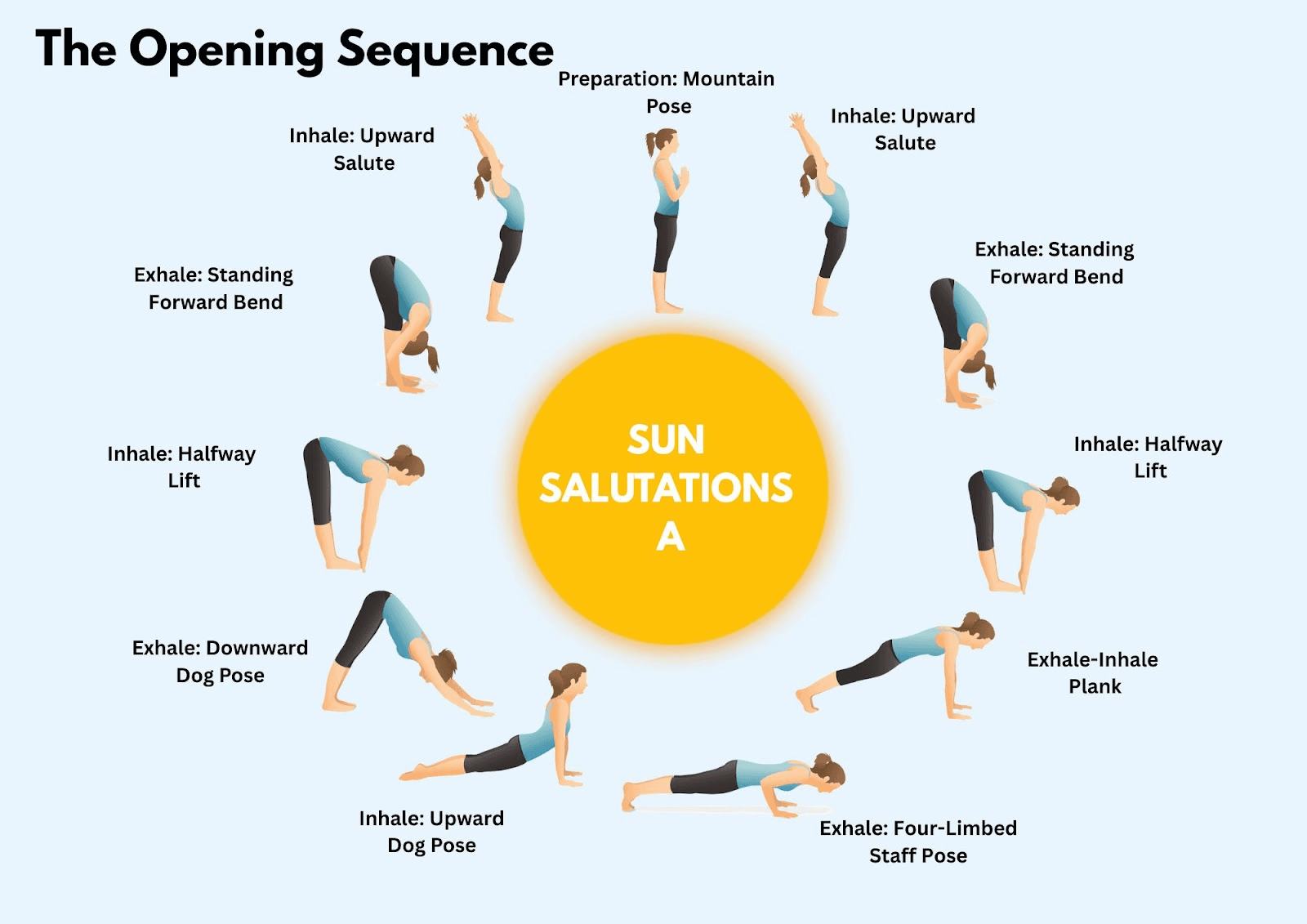
- 1.Move through the round linking one breath to each movement.
- 2.Begin with 3–5 slow rounds and build toward 10 as stamina improves.
- 3.Keep the pace brisk enough to feel warm but able to breathe through the nose.
- 4.Rest for a few breaths between rounds as needed.
Practice Tips
- Step rather than jump between poses.
- Use a knees-down lunge and half push-up to reduce load.
Chair Pose
Utkatasana
Sustained work in the quads and glutes — the body's biggest glucose consumers
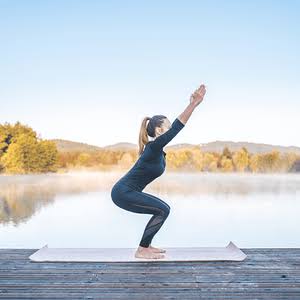
- 1.Stand with feet hip-width apart.
- 2.Bend the knees and sit the hips back as if lowering into a chair.
- 3.Raise the arms alongside the ears, keeping the chest lifted.
- 4.Hold for 5–8 breaths, rest, and repeat 3 times.
Practice Tips
- Hover just a few inches down rather than a deep bend.
- Keep the hands at the heart if the shoulders complain overhead.
Warrior II
Virabhadrasana II
Strong, steady leg engagement that builds endurance in large muscle groups
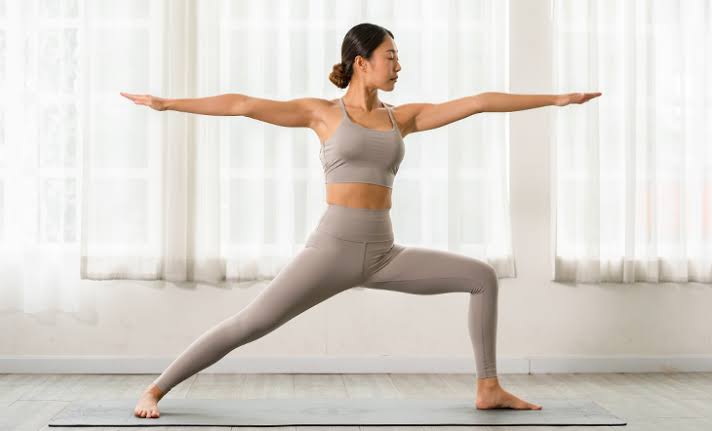
- 1.Step the feet wide, turn the right foot out and bend the right knee over the ankle.
- 2.Extend the arms parallel to the floor and gaze past the front hand.
- 3.Sink the hips and keep the back leg strong.
- 4.Hold for 5–8 breaths each side.
Practice Tips
- Shorten the stance and reduce the knee bend.
- Rest the front forearm on the thigh if the shoulders tire.
Abdominal & Torso Work
Seated Forward Fold
Paschimottanasana
Gently compresses the abdomen · traditionally used to stimulate digestion and the pancreas
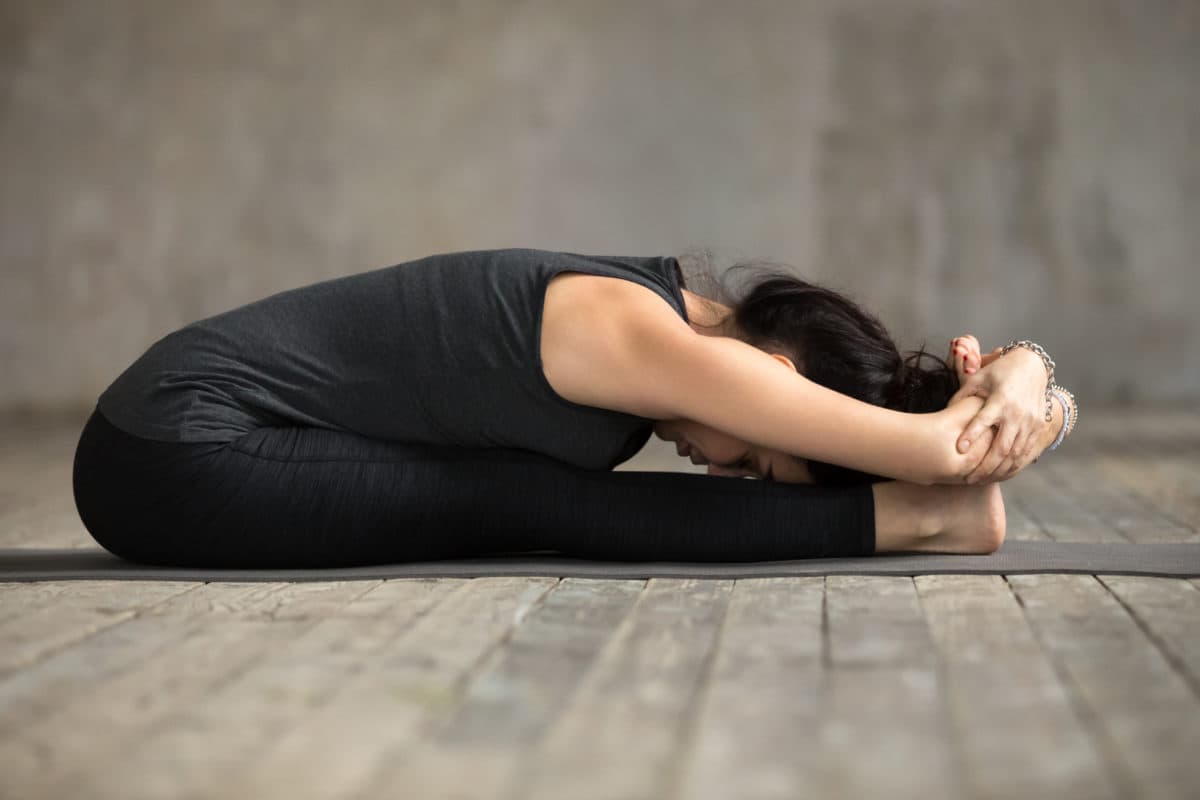
- 1.Sit with the legs extended and spine tall.
- 2.Inhale to lengthen, exhale to hinge forward from the hips.
- 3.Rest the hands on the shins, ankles, or feet — wherever they reach.
- 4.Hold for 8–10 slow breaths.
Practice Tips
- Bend the knees and sit on a folded blanket.
- Loop a strap around the feet instead of reaching for them.
Half Lord of the Fishes
Ardha Matsyendrasana
Rotational compression of the mid-torso · aids digestion and spinal mobility
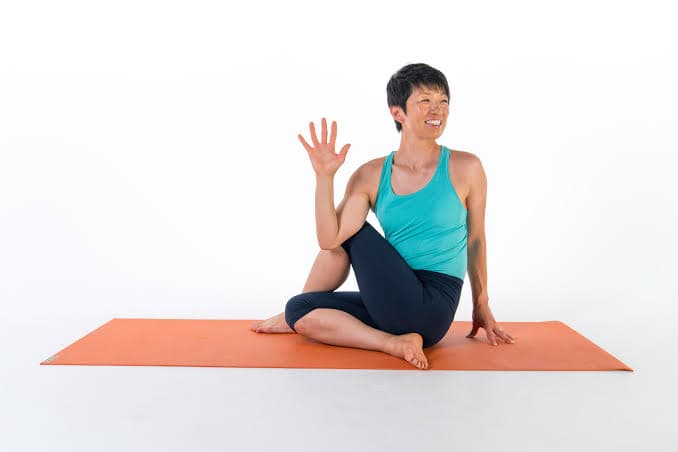
- 1.Sit with the left leg bent, foot near the right hip.
- 2.Cross the right foot over the left thigh, sole flat.
- 3.Inhale tall, exhale and turn toward the right, hugging the right knee.
- 4.Hold for 6–8 breaths, then change sides.
Practice Tips
- Keep the bottom leg straight.
- Twist only as far as the breath stays smooth.
Bow Pose
Dhanurasana
Stretches and stimulates the abdominal organs · energising backbend
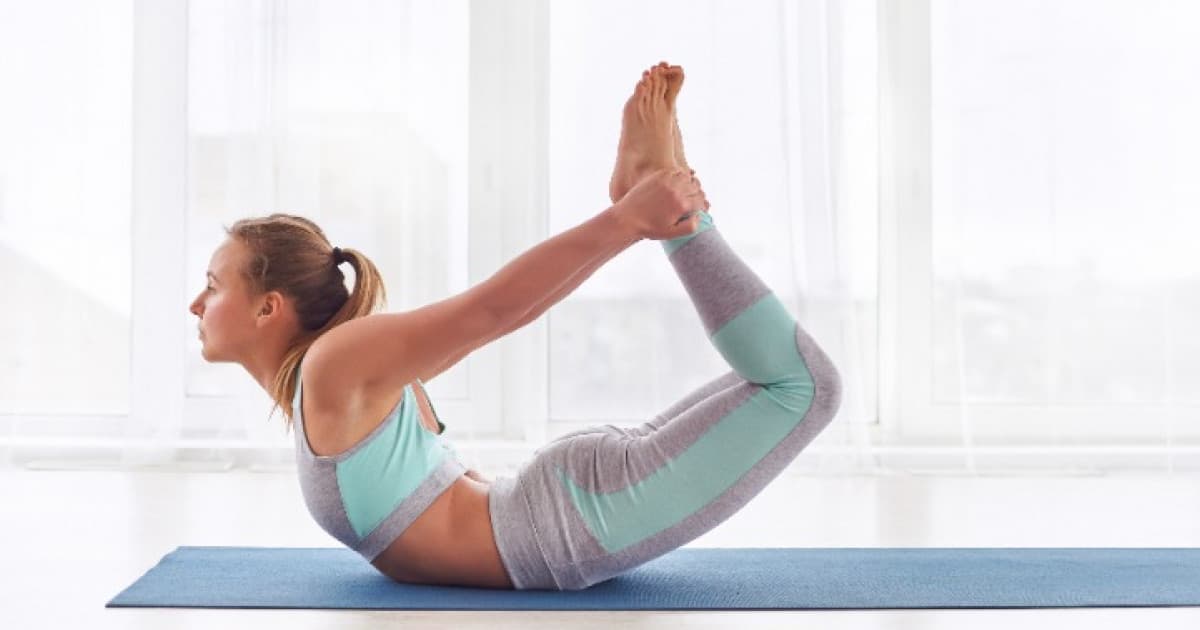
- 1.Lie on the belly, bend the knees and reach back for the ankles.
- 2.Inhale and lift the chest and thighs away from the floor.
- 3.Draw the shoulder blades together and keep breathing.
- 4.Hold 15–25 seconds, release, and repeat 2–3 times.
Practice Tips
- Lift only the chest with the hands clasped behind the back.
- Use a strap around the ankles if the hands do not reach.
Lower the Stress Response
Legs Up the Wall
Viparita Karani
Deeply restorative · shifts the nervous system toward rest and recovery
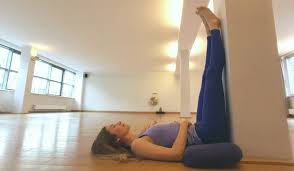
- 1.Sit side-on to a wall, then swing the legs up as you lie back.
- 2.Bring the hips close to the wall and let the legs rest against it.
- 3.Relax the arms by the sides, palms up.
- 4.Stay for 3–5 minutes with long, slow breaths.
Practice Tips
- Place a folded blanket under the hips.
- Move the hips a few inches from the wall if the hamstrings are tight.
Corpse Pose
Savasana
Consolidates the practice · trains the relaxation response that lowers stress hormones
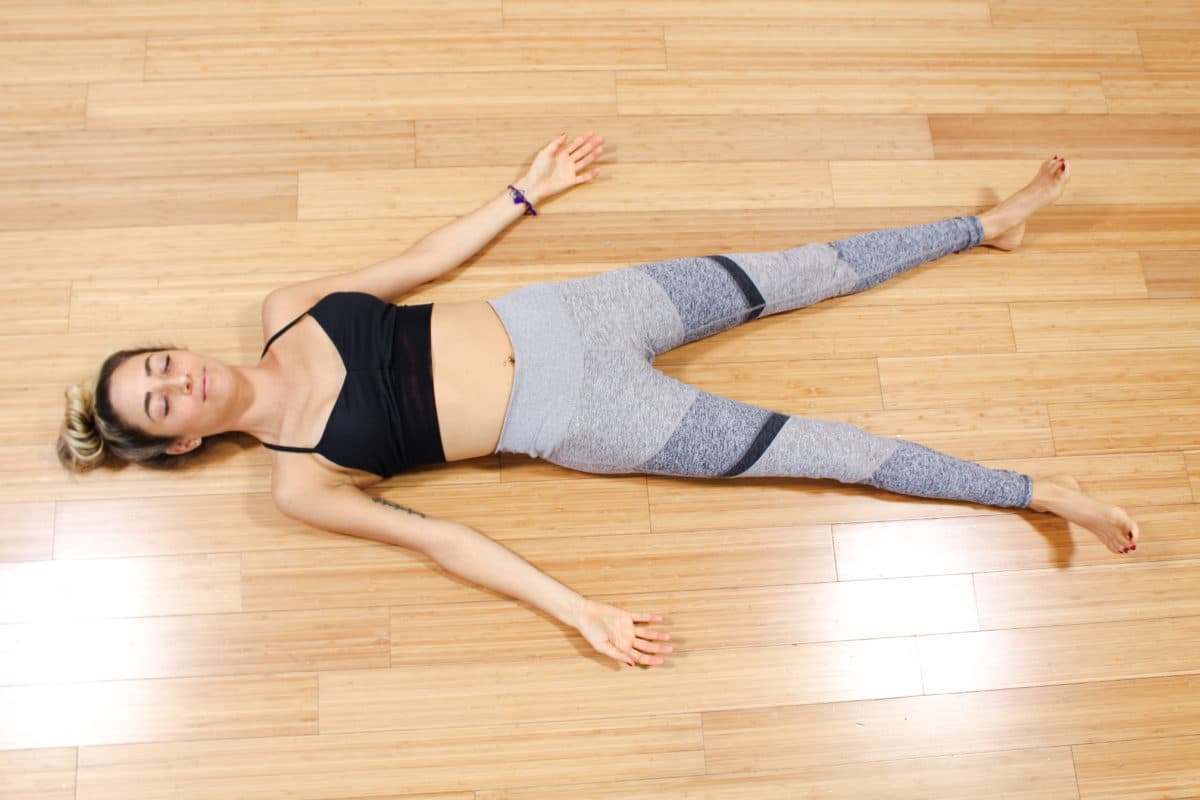
- 1.Lie flat on the back with the legs slightly apart and arms away from the body.
- 2.Let the whole body be heavy and still.
- 3.Soften the breath and let it find its own slow rhythm.
- 4.Rest for 5–10 minutes.
Practice Tips
- Place a bolster under the knees to ease the low back.
- Cover the eyes with a cloth to deepen the rest.
Breathwork for Stress and Blood Sugar
Slow, extended-exhale breathing shifts the balance toward the parasympathetic nervous system, reducing the stress hormones that push glucose up. Practise for 5–10 minutes daily.
Nadi Shodhana — Alternate Nostril Breathing
Balancing and calming; a good daily anchor.
- Sit tall. Close the right nostril with the thumb and inhale slowly through the left.
- Close the left nostril with the ring finger, release the right, and exhale through the right.
- Inhale right, switch, exhale left. That is one round.
- Continue for 5–10 rounds, keeping the breath quiet and unforced.
A Simple Weekly Structure
☀️ Most mornings (20–30 min)
🌙 After meals & evenings
Practice Tips
- Check your glucose before and after practice while you learn how your body responds.
- Keep glucose tablets or juice within reach if you are on insulin or sulfonylureas.
- Practise on bare feet on a non-slip mat and inspect your feet afterward if you have neuropathy.
- Avoid strong inversions and breath retention if you have retinopathy or high blood pressure.
- Stay hydrated and stop if you feel shaky, sweaty, or unusually fatigued.
Frequently Asked Questions
Can yoga lower my blood sugar?+
Yoga can contribute to better blood-sugar control by improving insulin sensitivity, adding daily muscle activity, and reducing stress. It works alongside — not instead of — medication, nutrition, and monitoring, and effects are strongest with near-daily practice.
When is the best time to practise?+
Morning practice sets up the day and can improve glucose handling for hours afterward. A short, gentle walk or a few standing poses after your largest meal is especially useful for blunting the post-meal glucose rise.
Is it safe if I take insulin?+
Usually yes, with precautions. Physical activity can amplify insulin's effect and cause hypoglycaemia. Check your glucose before and after, avoid practising when blood sugar is already low, and keep fast-acting carbohydrate nearby. Discuss dose timing with your care team.
Which poses should I be cautious with?+
If you have diabetic retinopathy or uncontrolled high blood pressure, avoid full inversions like headstand and shoulderstand and avoid breath retention. With foot neuropathy, take extra care with balancing poses and check your feet after practice.